Professional Carpet & Upholstery Cleaning: What It Does That Vacuuming Can't
Your sofa and carpets look clean — but are they? Learn how professional cleaning removes what vacuums leave behind and transforms your living space.
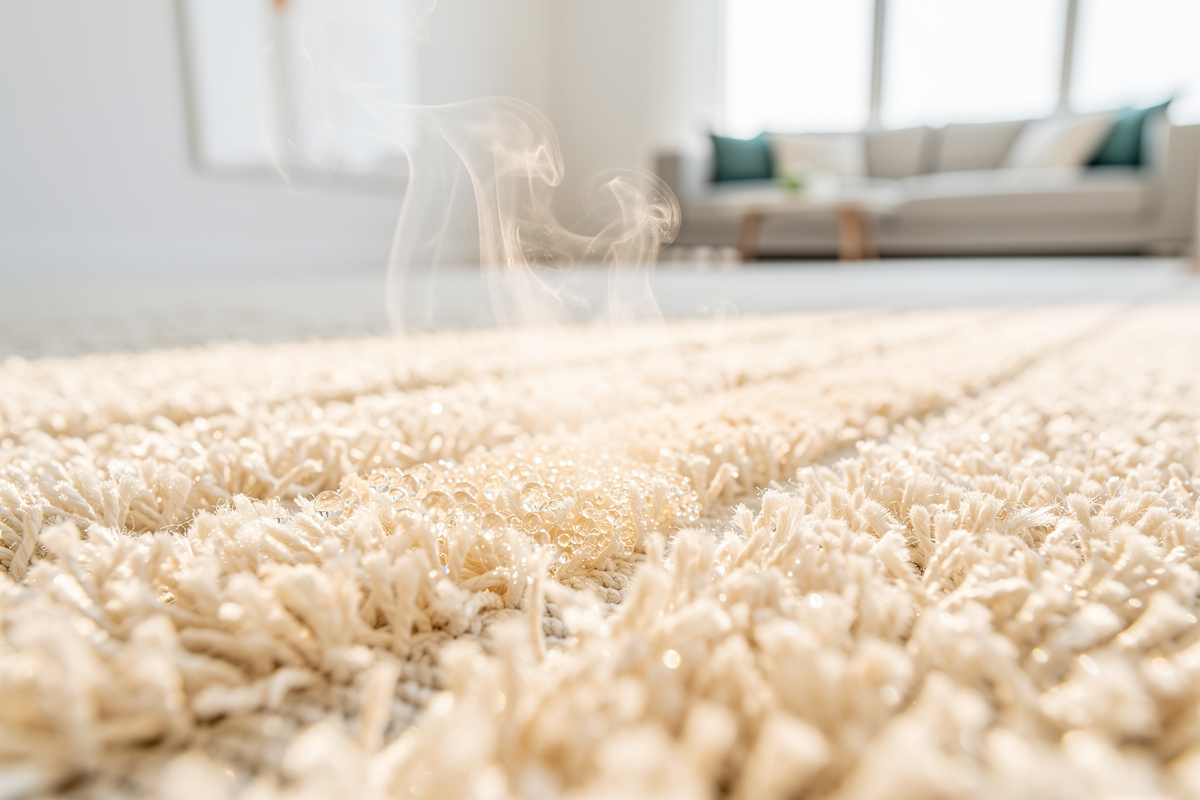
There's a common misconception that regular vacuuming keeps carpets and upholstery clean. Vacuuming helps, but it works only on the surface. What lives in the fibres of your sofa, your armchair, and your carpet — far beneath what a vacuum can reach — is a different story.
Professional carpet and upholstery cleaning removes what vacuuming cannot, and the results are often dramatic.
What's Actually in Your Carpet and Upholstery?
Most people would be surprised by what accumulates in carpets and fabric furniture over time:
- Dust mite colonies. Dust mites are microscopic arachnids that feed on shed skin cells. They thrive in soft furnishings and are one of the most common triggers of indoor allergies and asthma. A single gram of carpet dust can contain thousands of them.
- Pet dander. Even if your pet looks clean, they're constantly shedding dander — microscopic flecks of skin — that embed deep in fibre.
- Bacteria. Carpets can harbour millions of bacteria per square inch. Kitchen spills, tracked-in dirt, and body contact all contribute.
- VOCs (Volatile Organic Compounds). Household chemicals, off-gassing from building materials, and outdoor pollutants accumulate in soft surfaces over time.
- Ground-in soil. Every footstep presses dirt deeper into carpet fibres. Vacuuming removes the top layer; deep cleaning removes what's been pressed down over months and years.
- Old spills. A spill that appears clean on the surface may have soaked deep into the carpet backing, where bacteria and odours develop.
How Professional Carpet Cleaning Works: Hot Water Extraction
The most effective method for deep carpet cleaning is hot water extraction — sometimes called steam cleaning, though no steam is involved.
The process: 1. Pre-treatment. A cleaning solution is applied to the carpet to break down soil and stains. It's left to dwell for several minutes. 2. Agitation. A rotary brush loosens dirt from the carpet fibres. 3. Hot water injection. A powerful machine injects hot water (typically 80–100°C) deep into the carpet pile. 4. Simultaneous extraction. The machine immediately extracts the water along with dissolved dirt, bacteria, and cleaning solution. The process happens in one pass. 5. Drying. With proper extraction, carpets are typically dry within 4–6 hours. Adequate ventilation speeds this up.
The result is carpet that's clean throughout its thickness — not just on the surface.
Why This Is Better Than Dry Cleaning or Foam Methods
Dry carpet cleaning and foam-based methods work on the surface level. They may leave carpets looking clean immediately but deposit residue in the fibres that actually attracts more dirt over time. Hot water extraction leaves no residue — just clean carpet.
Professional Upholstery Cleaning: Sofas, Armchairs, and Couches
Your sofa is likely the most-used piece of furniture in your home. It absorbs body oils, sweat, pet contact, food spills, and airborne particles — daily, for years.
Upholstery cleaning requires more finesse than carpet cleaning because:
- Fabric types vary enormously. Microfibre, cotton, linen, velvet, leather, synthetic blends — each requires a different cleaning approach and cleaning solution
- Structural sensitivity. Sofas have foam cushions, springs, and wooden or metal frames. Overwetting damages foam and causes mildew
- Colour fastness. Some fabrics bleed or fade if treated incorrectly
Our process for upholstery: 1. Fabric identification. We check the manufacturer's cleaning code (W, S, WS, or X) and test a hidden area before treating the full piece. 2. Pre-vacuuming. Surface debris, pet hair, and loose particles are removed first. 3. Pre-treatment. Spot treatments are applied to stains. 4. Cleaning. Using an appropriate method for the fabric type — either a water-based solution with a low-moisture application, or a dry solvent for water-sensitive fabrics. 5. Extraction. Moisture and dissolved soil are extracted with a handheld tool. 6. Grooming and drying. Fabric is groomed to restore its texture and dried with ventilation.
What Stains Can Be Removed?
With professional treatment, most stains respond well:
- Wine and coffee — highly effective with professional pre-treatment
- Pet urine — requires enzyme-based treatment to break down the uric acid crystals; results vary with set-in stains
- Ink — can often be significantly reduced or eliminated
- Grease and food — generally responds well to solvent pre-treatment
- Blood — cold water and enzyme treatment is effective on fresh stains; set stains are more difficult
No professional can honestly guarantee 100% stain removal on every stain — age of the stain, fibre type, and previous DIY treatment attempts all affect results. We'll be honest about expectations before we begin.
How Often Should You Have Carpets and Upholstery Cleaned?
Carpets:
- Low-traffic rooms, no pets: every 18–24 months
- Regular family use: every 12 months
- Pets or allergies: every 6–12 months
Upholstery:
- Light use: every 18–24 months
- Regular use: every 12 months
- Pets or frequent use: every 6–12 months
The key factor isn't visible dirt — it's accumulated invisible contamination. Most people wait until things look bad, which means they've been living with a heavily contaminated surface for a long time.
The Difference Professional Cleaning Makes
After a professional carpet and upholstery cleaning:
- Colours look brighter — ground-in soil mutes the original colour of carpet fibres
- Odours are eliminated — pet odours, smoke, and general mustiness disappear
- Allergies improve — reduced dust mite and dander levels make a noticeable difference for allergy sufferers
- The space feels cleaner — because it is
Book Carpet & Upholstery Cleaning in Toronto & GTA
FreshMove provides professional carpet and upholstery cleaning throughout Toronto and the Greater Toronto Area. We work on all fabric types and bring all equipment with us.
Call 647 625 5811 to book your cleaning.
FAQ
Frequently asked questions
How often should I have my carpets professionally cleaned?+
Every 12–18 months for most homes. More frequently — every 6–12 months — if you have pets, children, or allergy sufferers in the household.
Can professional cleaning remove all carpet stains?+
Most stains respond well to professional treatment, but heavily set or previously treated stains may not come out completely. We'll give you an honest assessment before we start.
How long does carpet cleaning take to dry?+
Most carpets are dry within 4–6 hours after professional steam cleaning. Good ventilation and air circulation speed up drying time significantly.