The Complete Guide to Residential Moving in Toronto & GTA
Planning a home move in Toronto or the GTA? This in-depth guide covers everything from choosing the right movers to protecting your furniture and settling in faster.

Moving to a new home is one of the most exciting — and stressful — events in a person's life. Whether you're upsizing, downsizing, or simply relocating to a different neighbourhood in the GTA, having a clear plan and the right team behind you makes all the difference.
What Is Residential Moving?
Residential moving covers any relocation of a private household — apartments, condos, townhouses, semi-detached homes, and full detached houses. It includes loading your possessions onto a truck, transporting them safely, and unloading everything at your new address.
At FreshMove, we handle moves of every size across Toronto, Mississauga, Brampton, Vaughan, Markham, Richmond Hill, Oakville, Burlington, and all surrounding communities.
Big Moves vs Small Moves: What's the Difference?
Not every move is the same. A small move might mean relocating a one-bedroom apartment — a couple of furniture pieces, boxes of clothes and kitchenware. A large move could involve a five-bedroom house with an entire basement of belongings, gym equipment, and outdoor furniture.
Both deserve the same level of care. Our crews assess each job individually and bring the right truck size, equipment, and number of movers so you're never overpaying for extra capacity or underprepared for a big haul.
How to Prepare for Moving Day
Good preparation is the single biggest factor in a smooth move. Here's what we recommend:
6–8 Weeks Before
- Book your movers early. Spring and summer are peak moving seasons in the GTA — the best slots fill up weeks in advance.
- Declutter ruthlessly. Donate, sell, or discard anything you haven't used in the past year. Less stuff means lower costs and less unpacking.
- Measure large items. Confirm that your sofa, wardrobe, or dining table will fit through doorways and staircases in your new home.
2–4 Weeks Before
- Start packing non-essentials. Books, seasonal clothing, decor, and storage items can be boxed early.
- Label every box clearly with its destination room and a brief note of contents. This speeds up unloading dramatically.
- Notify utilities and services. Hydro, gas, internet, and your provincial health card all need your new address.
1 Week Before
- Pack your essentials box last. This should contain medications, chargers, toiletries, a change of clothes, important documents, and snacks — everything you'll need on day one before the boxes are unpacked.
- Confirm parking and elevator access. If you're in a condo or apartment building, book the service elevator well in advance. Many buildings require 48–72 hours notice.
- Defrost your fridge and freezer so they're ready to move.
The Day Before
- Disassemble furniture you want moved in pieces (beds, IKEA units, shelving). Or let us know — our crews are happy to handle this.
- Charge your phone. You'll be using it all day for communication and photos.
What to Expect on Moving Day
A professional moving crew will arrive within the agreed window. Here's the typical flow:
1. Walk-through. Your lead mover will walk through the home with you to understand what's moving, what's staying, and any special items that need extra care. 2. Protection. Floors, banisters, and doorframes are padded and protected before anything is moved. 3. Loading. Furniture is wrapped in moving blankets and secured. Boxes are loaded strategically — heavy at the bottom, fragile on top. 4. Transport. Your belongings travel in a clean, closed truck. You'll have a direct line to your driver throughout. 5. Unloading. Everything is placed in the room you direct. Furniture is reassembled if it was taken apart. 6. Sign-off. You do a final check to confirm everything arrived in good condition.
Protecting Your Furniture During a Move
Quality movers use:
- Moving blankets (thick quilted pads) wrapped around dressers, sofas, appliances, and fragile items
- Stretch wrap over blankets to keep them in place and add a moisture barrier
- Corner guards for large flat items like mirrors, TVs, and glass tabletops
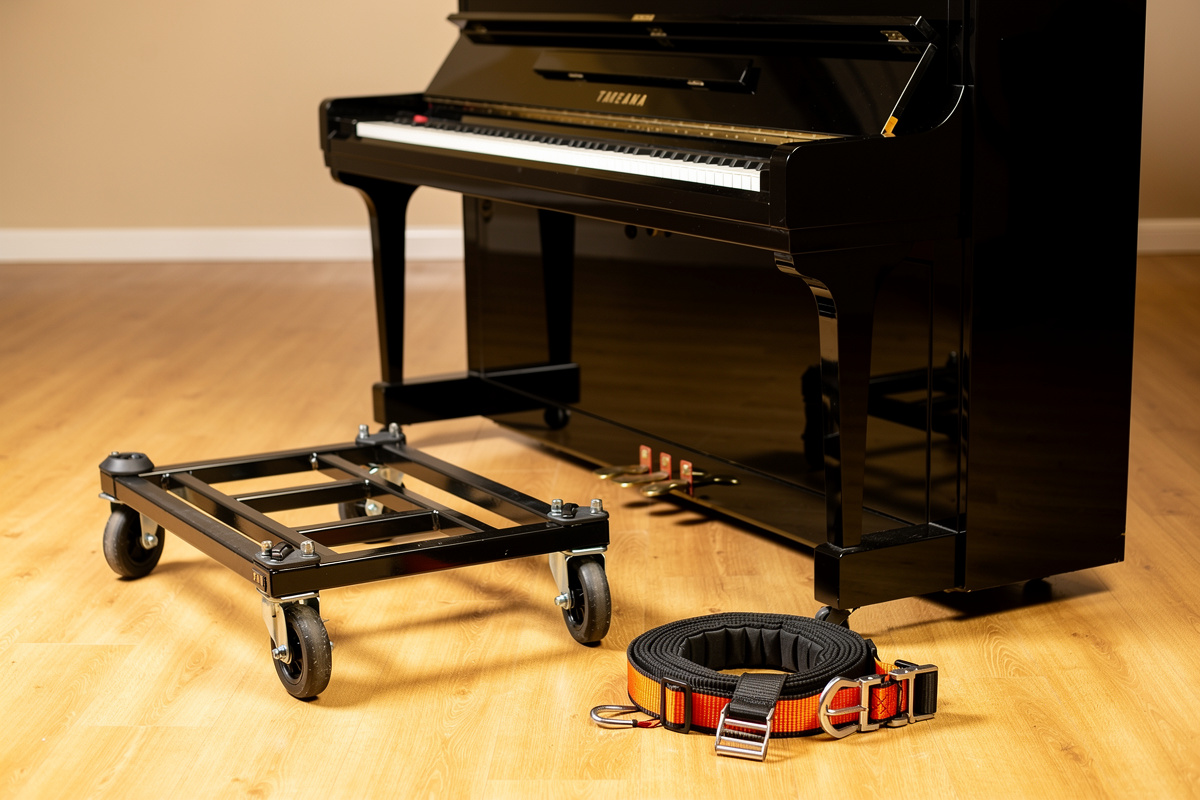
- Dollies and hand trucks so heavy items glide rather than scrape
If you're moving high-value pieces — antiques, custom furniture, artwork — tell us in advance so we can bring specialty crating or packing materials.
Moving in and out of Condos and High-Rises
Condo moves in downtown Toronto have their own set of challenges:
- Elevator bookings are mandatory in most buildings and limited to certain hours
- Parking permits may be required for the moving truck
- Building rules sometimes restrict moves to weekdays or specific time windows
We handle this regularly and know what questions to ask your property management in advance. Let us know your building name and we'll coordinate the logistics.
Common Residential Moving Mistakes to Avoid
- Underestimating volume. People consistently underestimate how much they own. When in doubt, ask for a larger truck.
- Packing too late. Starting packing the night before leads to chaos. Give yourself at least 2–3 weeks.
- Not labelling boxes. Unlabelled boxes turn unloading into a guessing game and waste hours.
- Ignoring insurance. Ask your movers about coverage for damaged items, and check whether your home insurance policy has a moving clause.
- Not booking the elevator. This is the number one cause of delays in condo moves.
Why Choose FreshMove for Your Residential Move?
We're based in the GTA and move families every day across Toronto and the surrounding communities. Our crews are trained, careful, and fully insured. We provide transparent quotes with no hidden fees, and we don't consider the job done until you're satisfied.
Whether it's a studio apartment in Kensington Market or a house in Oakville, we treat every move like it matters — because it does.
Ready to book? Call us at 647 625 5811 or request a free estimate online.
FAQ
Frequently asked questions
How far in advance should I start planning my move in Toronto?+
Ideally 4–8 weeks before your move date. This gives you time to book movers, sort items, and handle logistics like address changes and utility transfers.
Should I hire professional movers or rent a truck?+
For most people, hiring professionals saves time, reduces stress, and protects your belongings. The cost difference is often smaller than expected when you factor in truck rental, fuel, and your time.
What should I do if something is damaged during the move?+
Document any damage with photos immediately and notify your moving company the same day. A reputable mover will have a clear claims process and insurance to cover legitimate damages.